Comprehensive Technical SEO Checklist | Detailed Explanation of All Technical SEO Steps | Technical SEO Explained in Hindi and English sial 444


Technical SEO is an important aspect of optimizing a website for search engines. It involves making sure that the technical foundation of a website is solid and optimized for search engine crawling and indexing. Here are the key steps of a Technical SEO Checklist:
1. Website Speed: Ensure that the website loads quickly, as page speed is a ranking factor for search engines. Use tools like Google PageSpeed Insights to analyze and improve website speed.
2. Mobile-Friendliness: Make sure that the website is responsive and mobile-friendly, as mobile-first indexing is now the default for Google's search engine.
3. Indexing and Crawling: Check for any issues that may prevent search engines from crawling and indexing the website, such as robots.txt file, sitemap, and crawl errors in Google Search Console.
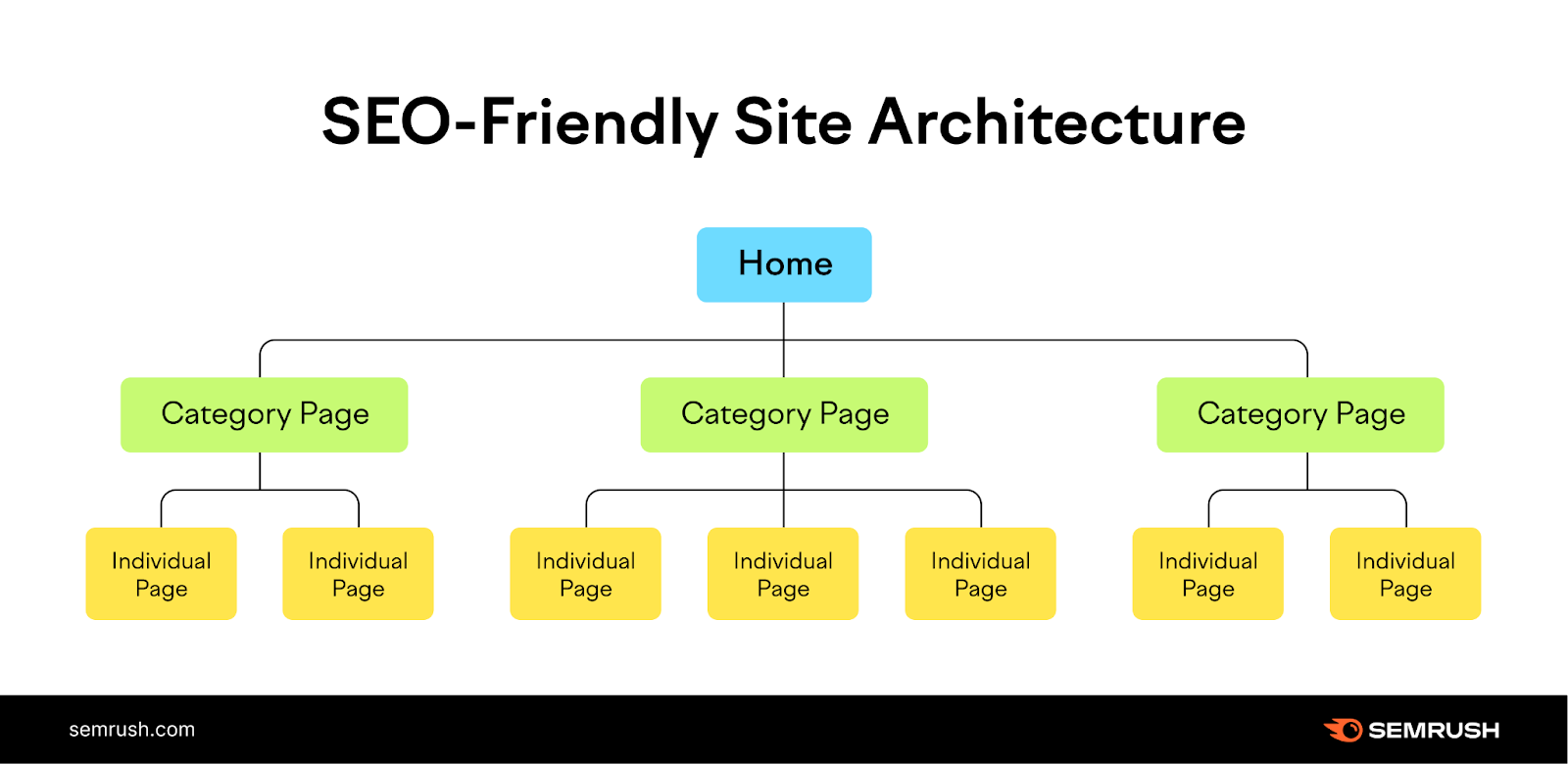
4. Site Structure: Optimize the website's structure for both users and search engines. This includes creating a clear hierarchy, using descriptive URLs, and implementing breadcrumb navigation.
5. HTTPS and Security: Ensure that the website is secure by using HTTPS, as secure websites are favored by search engines. Install an SSL certificate if not already done so.
6. Canonicalization: Implement canonical tags to avoid duplicate content issues and consolidate link equity to the preferred version of a page.
7. Schema Markup: Use structured data markup to provide search engines with additional information about the content on the website, which can lead to rich snippets in search results.
8. URL Parameters: Manage URL parameters to prevent search engines from crawling unnecessary pages and causing duplicate content issues.
9. XML Sitemap: Create and submit an XML sitemap to help search engines discover and index all important pages on the website.
10. Internal Linking: Optimize internal linking to distribute link equity throughout the website and help search engines understand the site's hierarchy and important pages.
By following these steps and ensuring that the technical aspects of a website are optimized for search engines, you can improve its visibility and performance in search results.
Sure, here is the expanded information about the digital marketing services, web development, and app development solutions mentioned in the text:
Digital Marketing Services:
1. Brand Building: This involves creating and establishing a strong brand presence for a business or organization through various marketing strategies and techniques.
2. SEO (Search Engine Optimization): This refers to the process of optimizing a website to improve its visibility and ranking on search engine results pages, thereby increasing organic traffic.
3. SMO (Social Media Optimization): SMO involves using social media platforms to promote a brand, increase awareness, and drive traffic to the website.
4. PPC (Pay-Per-Click): PPC advertising involves paying a fee each time one of the ads is clicked. It's a way of buying visits to the site rather than attempting to earn those visits organically.
5. SEM (Search Engine Marketing): SEM is a broader term that encompasses SEO and PPC to increase visibility in search engine results pages.
Web Development:
This involves the creation and maintenance of websites. It includes aspects such as web design, web programming, and web content development.
App Development Solutions:
This refers to the process of creating and developing mobile applications for various platforms such as iOS and Android.
For more detailed information and to explore the services offered, you can visit the website mentioned: https://sial444.blogspot.com/
Sure! Here's a detailed expansion of the given text:
All the courses offered are designed to be job-oriented, meaning that the skills and knowledge taught are directly applicable to real-world employment opportunities. These courses are constantly updated to incorporate the latest algorithms and modules, ensuring that students are learning the most current and relevant information in their field of study. The focus is on practical application, with hands-on projects providing students with valuable experience and the opportunity to apply what they have learned in a real-world setting. This approach helps students develop the practical skills and confidence needed to succeed in their chosen career paths.
0 Comments